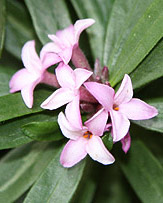
Angelica archangelica
Angelica Plants ( angelica archangelica and other species) are a group of biennial or perennial herbs found widely in Northern Europe and through Asia. Angelica sinensis, or 'dong quai' or 'female ginseng' is used in Chinese Medicine.
We would probably grow Angelica just because we love the name 'Angelica archangelica', sounds a little like an Italian movie star. However it really is a useful herb grown for its roots and is also found in cottage gardens. The young stems of Angelica are sometimes candied or used in the cooking of sour fruits to help reduce acidity. We use it when we cook rhubarb. Both the roots and the seeds are used to make aromatic oils.
A striking, tall aromatic plant that looks marvelous in borders and in woodland gardens. It is considered hardy and grows best in cool climates. The roots, leaves and stems of Angelica have been used for culinary and medicinal purposes since ancient times. It is said to be a treatment for many ailments and is used extensively in herbal medicine. It has many culinary uses as a flavouring agent and the stems can be candied and used for cake decoration. Angelica, however, is no longer confined to the herb and kitchen garden. It has now found its place in the ornamental landscape and brings joy to the gardener who wants an interesting, fragrant and majestic plant in the garden.
Angelica Species:
The most commonly grown form is Angelica archangelica or Garden Angelica.
- Angelica atropurpurea is an American variety that has almost identical properties and uses to Garden Angelica.
- Angelica sinensis (Dong Quai). This is commonly used in Chinese medicine to aid women's health.
- Angelica gigas (Giant Angelica). This striking plant has red-purple leaf sheaths and large, fragrant, domed flower heads that can be 8 inches wide. A showpiece for the garden that is very attractive to bees. Quite long lived compared to other Angelica.
- Angelica hispanica (Angelica pachycarpa) Large shiny leaves with lovely cream/white flowers. This is sold as an ornamental plant and is not suitable as a culinary herb or for herbal remedies.
- Angelica sylvestris 'Ebony'. Fantastic dark purple leaves with greyish pink flowers
There are many more exciting forms of Angelica that are worth investigating.
Angelica archangelica Care
It's another relative of parsley, so when growing angelica similar conditions apply.
A hardy plant that enjoys a semi-shaded position. Angelica archangelica grows to a height 200cm and has a spread of 120cm.
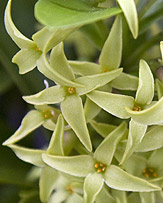
In its first year it only grows foliage. In its second year, the stem can reach 2 metres. It is a biennial plant that dies back after flowering. Flowers bloom in July.They are small and numerous, white, yell ow or greenish in colour and grouped into large umbels.
The leaves are divided into three parts and each part is divided into three serrated leaflets. Angelica requires deep, fertile soil. It enjoys dappled shade.
The plant will die in its second year if allowed to go to seed. Angelica produces a large amount of seed. It cannot be divided but it can be planted in autumn using freshly gathered seed.
If you are growing it in the garden border remember that Angelica archangelica will grow to nearly a two foot plant (2/3m) but with flower spikes in mid summer to 6ft (2m) so it needs to go towards the rear of the border. Angelica will self seed, so deadhead to control if needed. You might wish to collect some seeds for sowing the next spring.
You can find Angelica plants for sale at the following nurseries.
NORFOLK HERBS
Tel: +44 (0)1362 860812 Fax: +44 (0)1362 860812
Norfolk Herbs are growers of naturally raised culinary, medicinal and aromatic herb plants for wholesale, retail and mail order supply together with Bay Trees, Scented Pelargoniums and Hand Thrown English Garden Terracotta to give stature, colour, scent and flavour to a window-sill, patio, garden or landscape
You may also be interested in the following herbs.
- angelica
- basil
- bay leaves
- chervil
- chillies
- chives
- coriander
- cummin
- dill
- garlic
- lemon grass
- majoram
- mint
- parsley
- rosemary
- saffron
- sage
- tarragon
- thyme